Examining Compliance-Driven Approaches to Live Interaction Sessions in Slot and Card Offerings for Regional Users
Geschrieben von Anna Hoffmann · 18.9.2026
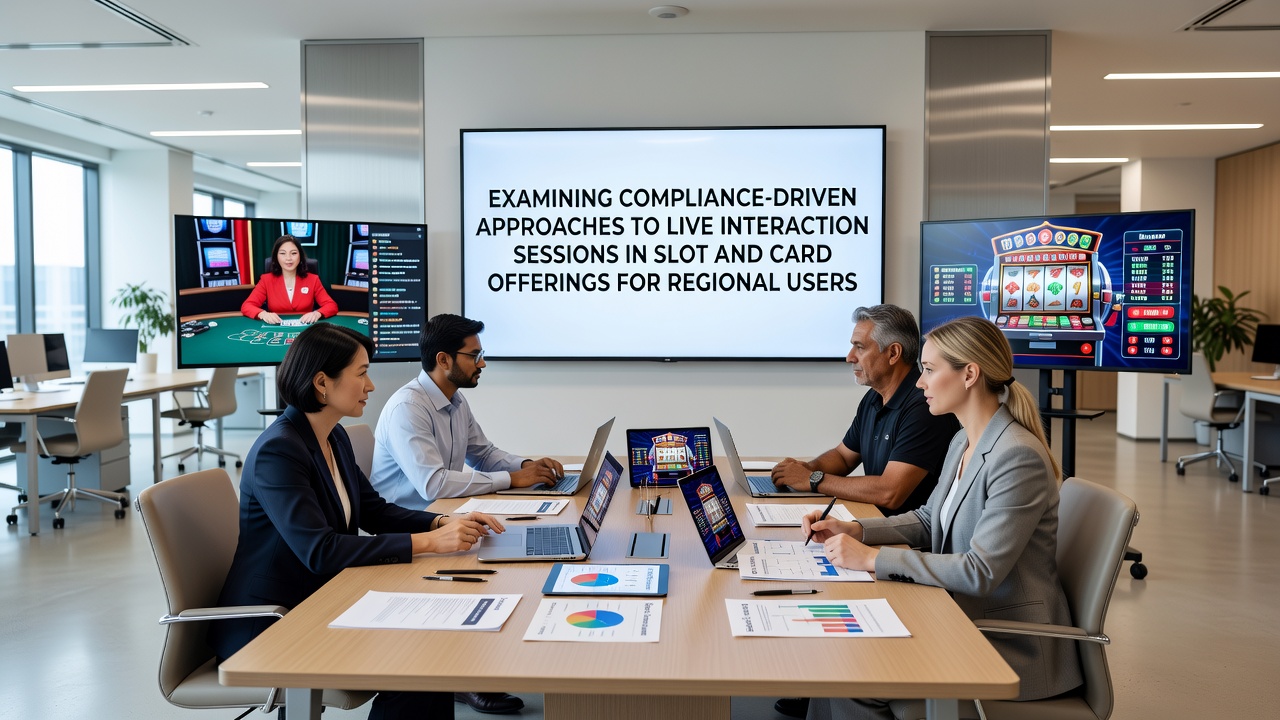
Examining Compliance-Driven Approaches to Live Interaction Sessions in Slot and Card Offerings for Regional Users
Regional users accessing slot and card offerings encounter live interaction sessions that combine real-time dealer engagement with digital interfaces, and operators apply compliance frameworks to address licensing conditions, user verification, and transaction monitoring. Data from industry reports indicate that these sessions require layered controls because they transmit audio, video, and chat elements across borders while respecting territorial restrictions.
Regulatory Foundations Shaping Live Sessions
European directives on digital services and gambling activities set baseline standards that national authorities adapt for local markets, and operators integrate these rules into platform architecture to manage session access. In September 2026 several jurisdictions plan to align updated reporting timelines for live game data, which affects how providers log chat logs, bet histories, and identity checks during extended play periods. Research indicates that consistent application of these timelines reduces discrepancies between operator records and supervisory audits.
Technical Controls for Slot and Card Environments
Live slot sessions typically feature moderated bonus rounds with dealer narration, whereas card offerings involve continuous table interaction that demands real-time oversight of player conduct and dealer actions. Compliance systems embed automated triggers that flag unusual betting patterns, repeated location changes, or language that suggests third-party influence. Observers note that these triggers connect directly to backend databases so regional users remain within permitted geographic zones throughout the session.
Verification Processes Tailored to Regional Users
Regional users must complete identity confirmation before entering live environments, and operators combine document uploads with biometric checks or video verification calls to satisfy know-your-customer rules. Studies show that multi-factor methods lower the incidence of account sharing while preserving session flow for verified participants. When users relocate temporarily, geo-fencing protocols either pause the live feed or redirect them to region-appropriate alternatives without disrupting overall account status.

Monitoring Chat and Interaction Data
Live card tables generate continuous text exchanges that compliance teams review for signs of collusion or inappropriate solicitation, and automated filters route suspicious phrases to human moderators for further assessment. Slot sessions incorporate shorter chat windows that still require the same level of scrutiny when promotional codes or side bets enter the conversation. Figures reveal that integrated monitoring platforms reduce review time by linking chat timestamps directly to bet sequences.
Cross-Border Data Handling Practices
Operators serving multiple regions route live session data through servers that respect local storage mandates, and encryption standards protect both video streams and associated metadata. According to reports from the European Gaming and Betting Association, harmonized encryption practices across member states have improved audit efficiency since 2024. Canadian provincial regulators apply similar expectations when live feeds cross provincial lines, requiring operators to maintain separate logs that align with each jurisdiction's retention schedules.
Responsible Gaming Integration in Live Settings
Session timers, spend alerts, and reality checks appear as on-screen overlays during live dealer exchanges, and players can activate self-exclusion flags that immediately terminate active sessions. Research from academic centers indicates that visible controls embedded in the interface increase user adherence compared with post-session notifications. Regional operators calibrate alert frequency to match local responsible gaming guidelines without interrupting dealer pacing.
Future Adjustments Anticipated After September 2026
Planned regulatory updates in multiple territories emphasize enhanced AI-assisted review of live interaction footage, and early pilot programs demonstrate improved detection of subtle pattern deviations. Those who have examined the draft specifications note that new metadata fields will capture dealer decision timing alongside player inputs, creating richer datasets for compliance analytics. Industry associations continue to publish guidance documents that translate these specifications into practical implementation steps for platform developers.
Conclusion
Compliance-driven approaches to live interaction sessions combine regulatory alignment, technical monitoring, and user verification to maintain secure access for regional users across slot and card offerings. Data from supervisory bodies and trade organizations show measurable improvements in audit outcomes when these elements operate as an integrated system rather than isolated checks. As September 2026 approaches, continued refinement of data-handling protocols and responsible gaming tools will shape how operators deliver live experiences while meeting evolving territorial requirements.